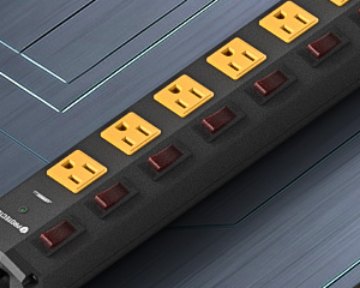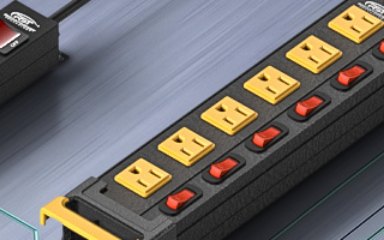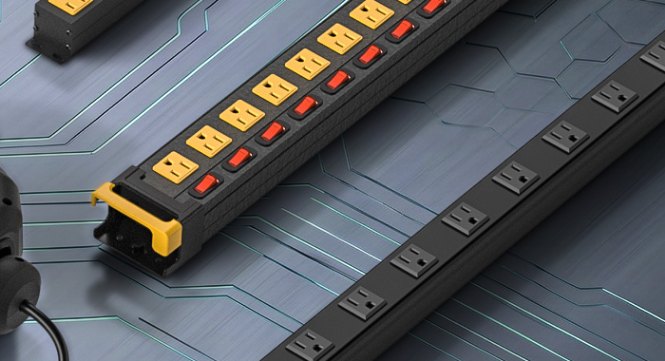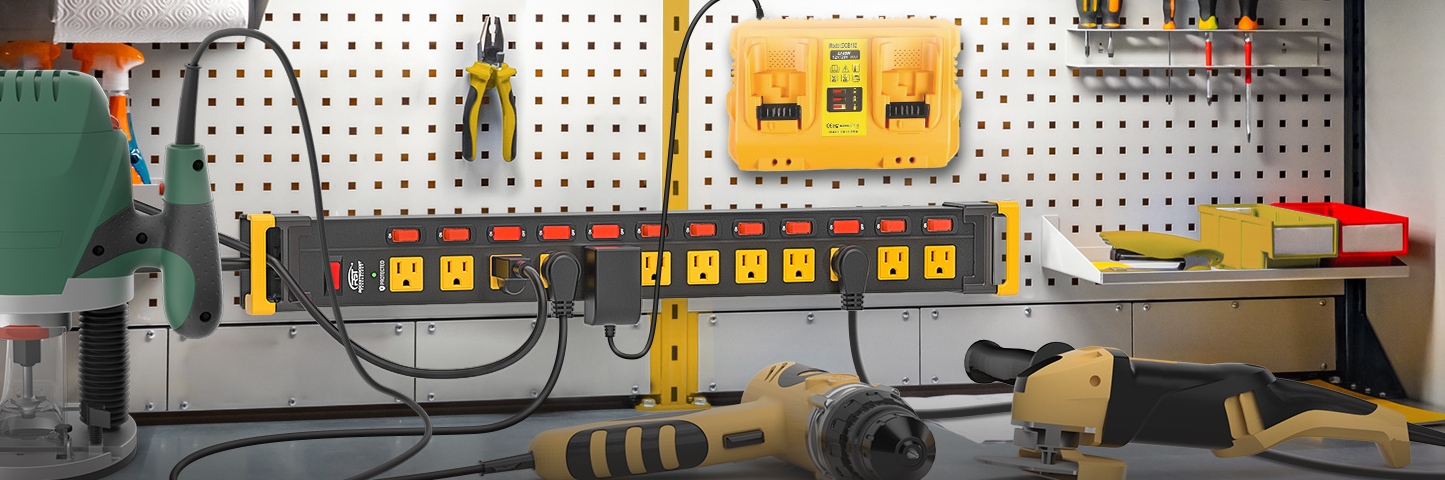
A power strip carries live current through your home, around the clock. We engineer ours to disappear into the background — properly built, independently certified, and made to last for years.
Every CRST product is certified by an OSHA-recognized NRTL — ETL (Intertek), SGS or UL — to the applicable UL standards, such as UL 1363 (power taps) and UL 1449 (surge protection). 18-month warranty standard; free extension to 3 years with registration.
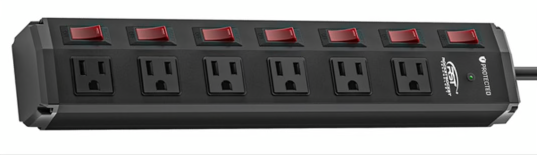
Online shelves are flooded with uncertified power strips: undersized wire, overstated joule ratings, little or no real surge protection. Many look almost identical to a quality strip. The difference is on the inside, and it stays invisible until something overheats.
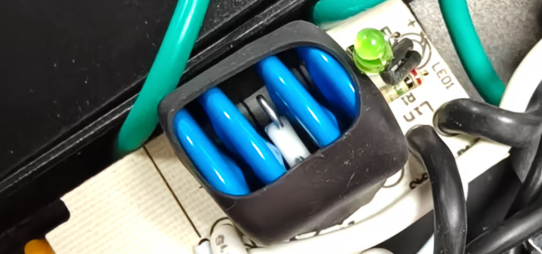
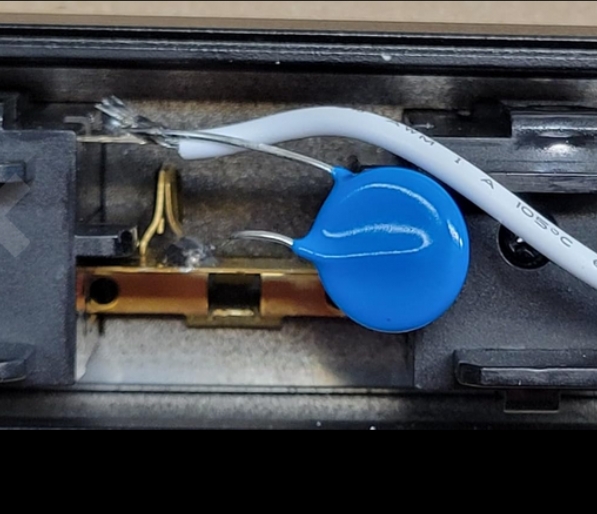
✓Genuine article
✓4× MOV, thermal-protected
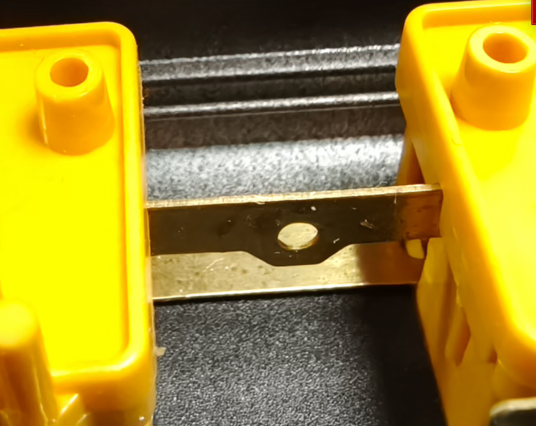
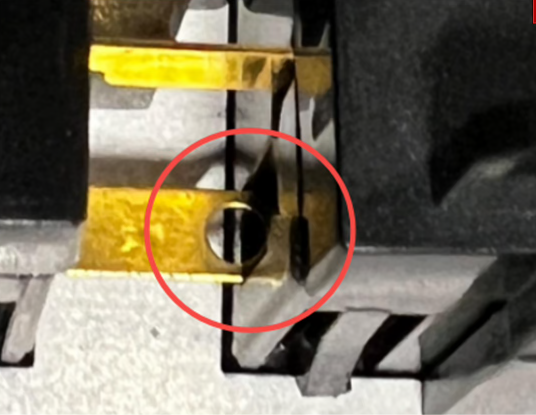
✓True 14 AWG
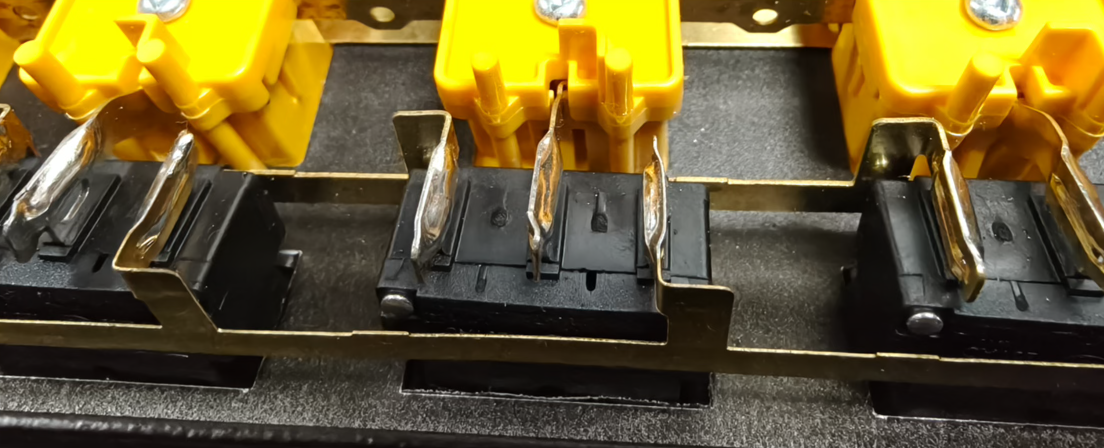
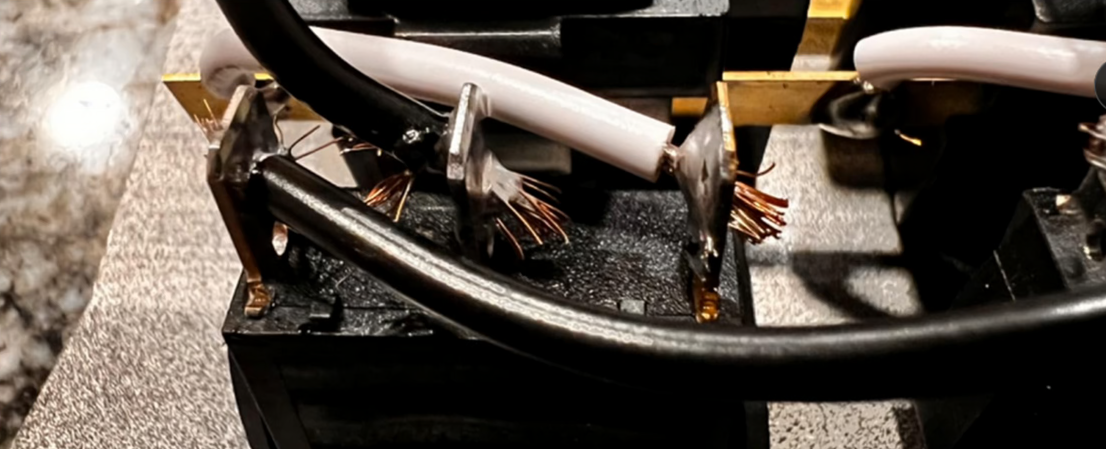
✓Full solder joints
✕Look-alike
✕1× MOV, bare
✕Thin & over-drilled
✕Frayed & flawed
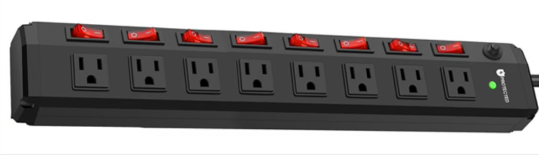
Actual teardown photos: a CRST unit beside a representative bargain strip. Click any image to enlarge.
18 months standard on every strip — no registration — and free to extend to 3 years when you register.
Register & extend →Changed your mind? 30 days, no hassle, no restocking games.
Within warranty, defective units ship back to us on our dime.
Real help, US-based, for as long as you own the strip.
On every order, with no spend threshold to clear.
See shipping policy →This is the part you're actually paying for. Drag, tap, or use the arrow keys to compare a CRST strip against a typical look-alike.
Every spec on this page, in a strip you can put on the bench today. Sorted by where they fit best.


Look for a mark from a recognized lab — ETL, UL, TÜV, or SGS — printed on the product itself, not just claimed in the listing.
A legit strip names the standard it passed — e.g. UL 1363. If it has surge protection, it must also meet UL 1449.
Correctly-sized wire (14 AWG for a 15A strip), secure connections, proper grounding, a built-in breaker on any 3+ outlet strip, and thermal-protected MOVs on surge models. It's technical — see our full safety guide → CRST meets every one.
Answer 5 quick questions about the strip you own right now.
Your result updates as you go. Be honest — "not sure" is a valid answer, and it just means it's worth a closer look.
We publish free, plain-English guides on home electrical safety — avoiding overloads, what you should never plug into a strip, when to replace one, and the engineering behind a safe build.
Read the full safety guide →Plugging one strip into another overloads the circuit and defeats the breaker.
Learn more →Space heaters, kettles, and AC units should go straight into a wall outlet.
Learn more →Heat under normal load means undersized wire or a failing connection inside.
Learn more →Certified, built right, and backed for years. Start here.